
Skin Infections: Types, Symptoms, Causes, Prevention and Treatment
Skin infections are common conditions that can affect people of all ages. They occur when harmful microorganisms such as bacteria, fungi, viruses, or parasites enter or grow on the skin. Some infections are mild and clear up with appropriate treatment, while others may spread or cause complications if left untreated.
Understanding the common types, warning signs, and prevention methods can help you protect your skin and seek medical care at the right time.
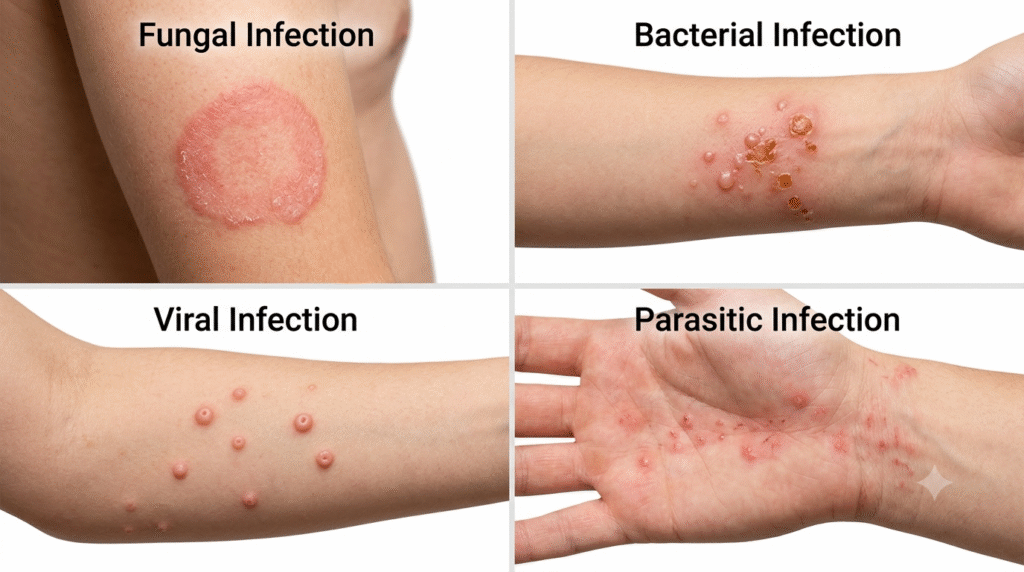
What Is a Skin Infection?
A skin infection occurs when microorganisms multiply in or on the skin and cause inflammation or other symptoms. Depending on the cause, a skin infection may appear as redness, itching, swelling, pain, rashes, blisters, scaling, pus-filled lesions, or wounds.
Skin infections can affect a small area or spread to other parts of the body.
Common Types of Skin Infections
1. Fungal Skin Infections
Fungal infections are common, particularly in warm and humid conditions. They can develop in areas where moisture accumulates, such as the groin, feet, underarms, and skin folds.
Common examples include:
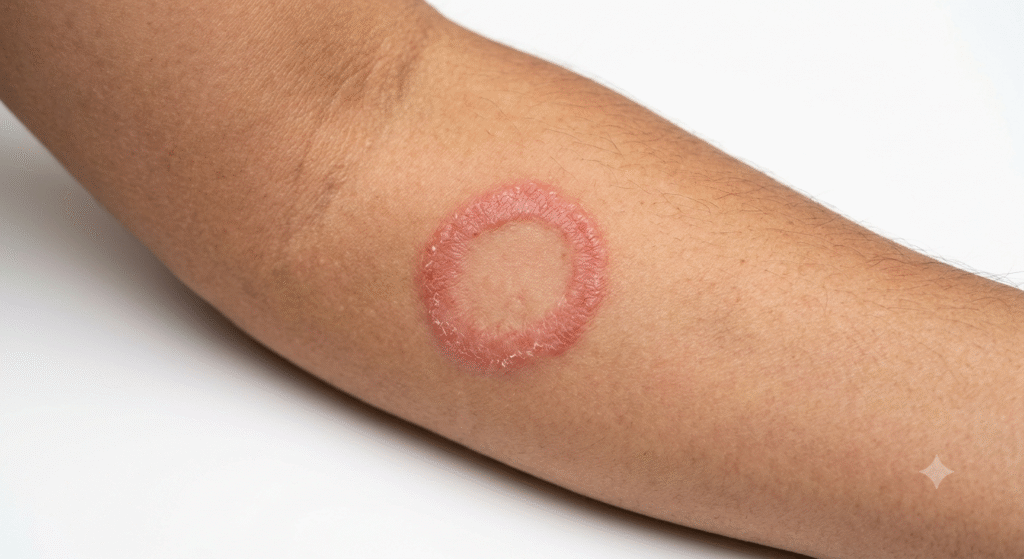
- Ringworm
- Athlete’s foot
- Jock itch
- Fungal infections of the skin folds
- Candidiasis
Symptoms may include itching, redness, scaling, burning, or circular patches on the skin.
2. Bacterial Skin Infections
Bacteria can enter the skin through cuts, scratches, insect bites, or damaged skin.
Common bacterial infections include:
- Impetigo
- Folliculitis
- Cellulitis
- Boils and skin abscesses
Symptoms may include redness, warmth, swelling, tenderness, pain, and sometimes pus or discharge.
3. Viral Skin Infections
Some viruses can cause infections affecting the skin.
Examples include:
- Warts
- Molluscum contagiosum
- Herpes simplex infections
- Shingles
Depending on the virus, symptoms may include blisters, bumps, painful rashes, or clusters of lesions.
4. Parasitic Skin Infections
Parasites can also cause skin problems. One common example is scabies, which is caused by microscopic mites.
Scabies commonly causes:
- Intense itching, particularly at night
- Small red bumps
- Thin burrow-like marks
- Rash between the fingers, around the wrists, waist, or other areas
Because scabies can spread through close contact, household members may also require evaluation and treatment.
Common Symptoms of Skin Infections
Skin infections can have different appearances, but common symptoms include:
- Redness
- Itching
- Swelling
- Pain or tenderness
- Warmth over the affected area
- Skin peeling or scaling
- Blisters
- Pus or discharge
- Crusting
- Open sores
- Rapidly spreading rash
The appearance of a rash alone cannot always determine its cause. Several different skin conditions can look similar, which is why proper evaluation is important.
What Causes Skin Infections?
Several factors can increase the risk of developing a skin infection, including:
- Poor skin hygiene
- Excessive sweating
- Hot and humid weather
- Sharing towels, clothing, or personal items
- Walking barefoot in communal areas
- Cuts and scratches
- Frequent skin-to-skin contact
- Scratching or damaging the skin
- Certain underlying health conditions
- Reduced immune function
Fungal infections, in particular, can thrive in warm, moist environments.
How Can Skin Infections Be Prevented?
Simple precautions can reduce the risk of many skin infections.
Keep Your Skin Clean and Dry
Bathe regularly and dry your skin thoroughly, especially between the toes, in the groin, underarms, and other skin folds.
Avoid Sharing Personal Items
Do not share towels, razors, clothes, socks, footwear, or other personal items with someone who has a contagious skin infection.
Keep Minor Wounds Clean
Clean cuts and scratches promptly and protect them with an appropriate dressing when necessary.
Wear Clean Clothes
Change sweaty clothes and socks regularly. Choose breathable clothing when possible.
Be Careful in Public Areas
Wear appropriate footwear around swimming pools, locker rooms, gyms, and communal showers.
Avoid Self-Medicating With Steroid Creams
Using steroid-containing creams without proper medical advice can sometimes worsen or mask certain fungal infections, making them more difficult to diagnose and treat.
How Are Skin Infections Diagnosed?
A dermatologist may diagnose a skin infection by examining the affected area and asking about your symptoms, duration, exposure, and medical history.
In some cases, additional tests may be required, such as:
- Skin scraping
- Microscopic examination
- Swab or culture
- Other laboratory tests when necessary
Correct diagnosis is important because treatment depends on the type and cause of the infection.
Treatment for Skin Infections
Treatment varies according to the microorganism causing the infection.
- Fungal infections may require antifungal creams or other antifungal medicines.
- Bacterial infections may require appropriate antibiotics or drainage of an abscess when indicated.
- Viral infections may require antiviral treatment or supportive care depending on the condition.
- Parasitic infections such as scabies require specific anti-parasitic treatment and appropriate management of close contacts.
Avoid using leftover medicines or someone else’s prescription. The wrong treatment can delay recovery or make certain infections harder to manage.
When Should You See a Dermatologist?
You should consider consulting a dermatologist if:
- The infection is spreading rapidly.
- There is significant pain, swelling, or pus.
- You develop fever along with a skin infection.
- The rash does not improve with appropriate care.
- The infection keeps coming back.
- You are unsure whether the condition is fungal, bacterial, viral, or another skin disorder.
- A skin infection develops around the eyes or other sensitive areas.
- Multiple family members develop similar symptoms.
Early diagnosis can help prevent complications and reduce the chance of spreading contagious infections to others.
Final Thoughts
Skin infections are common and, in many cases, treatable. However, different infections can have similar symptoms, so identifying the underlying cause is important before starting treatment.
Maintaining good hygiene, keeping the skin dry, avoiding the sharing of personal items, and seeking professional advice when symptoms persist can help protect your skin.